
Why Visit Taif for Ziyarah?

Most pilgrims stay within Makkah and Madinah — and that's completely natural. But Taif holds one of the most emotionally profound chapters in the Prophet's ﷺ life. The rejection. The injury. The moment he was bleeding and exhausted — and still made dua for the very people who hurt him.
Known as the "City of Roses" and "Garden City," Taif sits in the mountains about 70 km from Makkah. Its cooler climate, grape gardens, and rose farms make it beautiful — but spiritually, it's where you witness the Prophet's ﷺ humanity. His struggle. His unwavering patience even when everything went wrong.
Standing at the spots where these events actually happened — the garden where Addas recognised him as a true Prophet, the stone where he rested his injured body — it hits differently from just reading about it. If you have even one spare day during Umrah, Taif is absolutely worth it.
Complete Taif Ziyarah Sites

This mountain provided natural protection to the Prophet ﷺ on his return to Makkah from Taif. The winding roads, elevation and landscape are believed to have shielded him during that most difficult journey. Today pilgrims stop at the viewpoints to make dua and reflect on his steadfastness. The views over green valleys below are breathtaking — a physical and spiritual elevation.

Not strictly a Ziyarah site but worth including if time permits. This palace now serves as a museum showcasing Taif's rich history, traditional architecture and cultural artifacts. A fine architectural landmark for those interested in the region's broader heritage beyond purely religious sites.
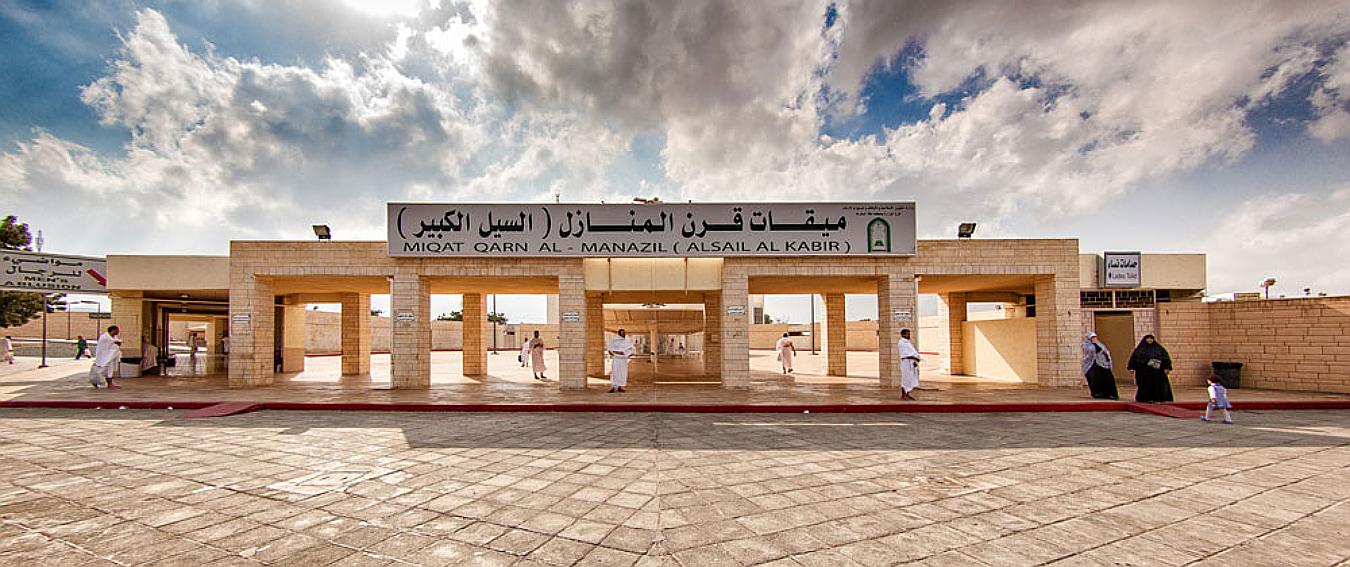
Not just a Ziyarah site — this is one of the five designated Miqat points where pilgrims enter Ihram for Hajj or Umrah. The Prophet ﷺ entered Ihram here on several occasions. The mosque complex has clean facilities for changing into Ihram garments. If you are coming from the Taif direction toward Makkah, this is where your Hajj or Umrah intention begins.
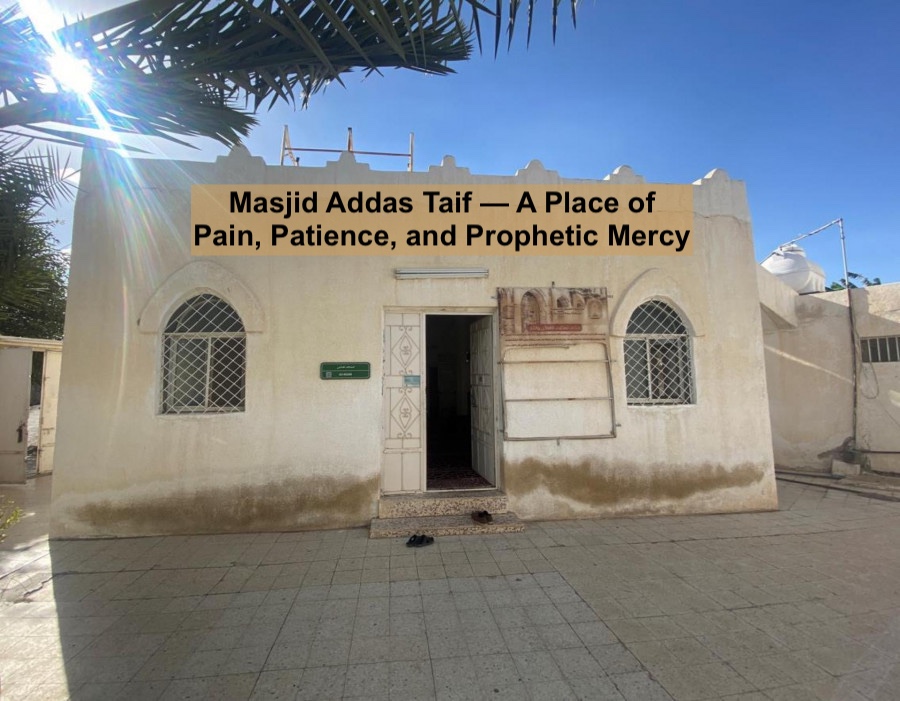
This is the spot. The Prophet ﷺ — bleeding and exhausted after being stoned and driven out of Taif — took shelter here. He sat under a tree, and a young Christian slave named Addas brought him grapes. When Addas heard the Prophet say "Bismillah," something clicked. He asked questions, recognised the truth, and embraced Islam right there in that garden.
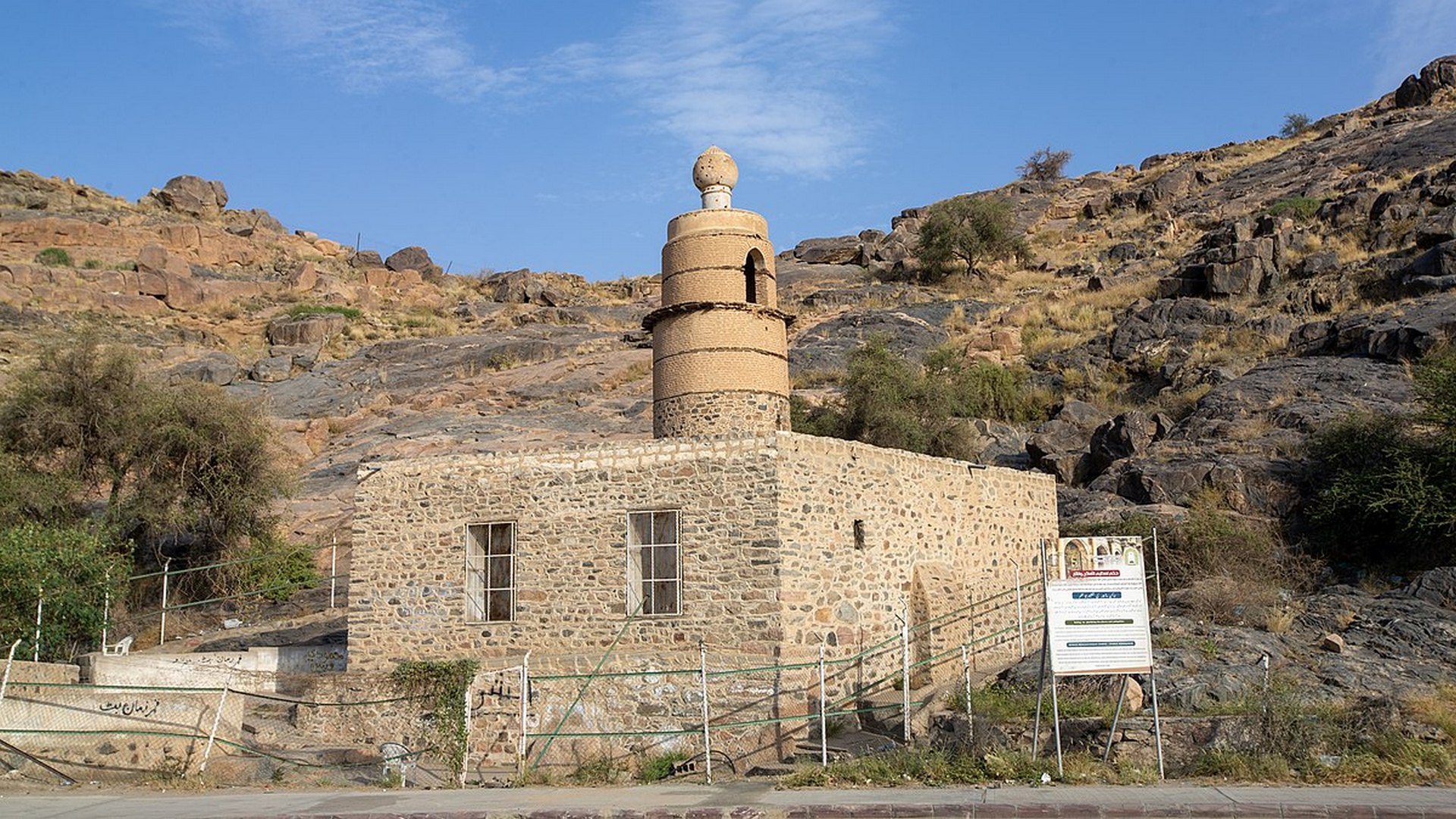
"Al-Kou'a" means elbow — because the Prophet ﷺ, completely exhausted from his wounds and the city's rejection, leaned on a stone with his elbow to rest. Just a moment of rest. But it shows his human side: he was tired, he hurt, he needed to pause. A mosque was built to honour that moment of vulnerability and resilience.
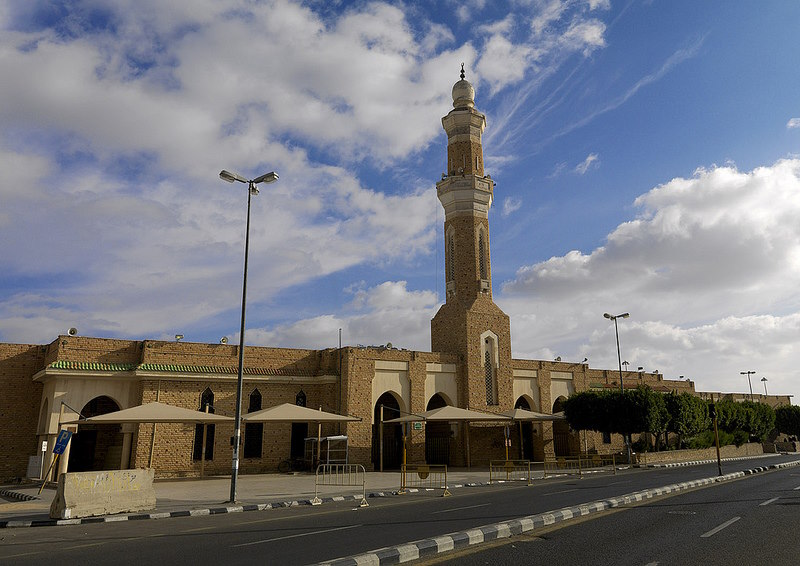
Abdullah Ibn Abbas (RA) — the Prophet's cousin, one of the greatest Quranic scholars ever, titled "Hibr al-Ummah" (Scholar of the Ummah) — is buried here. Pilgrims visit to pray, make dua, and honour his immense contributions to Quranic interpretation. His tomb is enclosed by a white wall opposite the women's prayer area. The tomb of Imam Muhammad Ibn Ali Ibn Abi Talib is also found nearby.
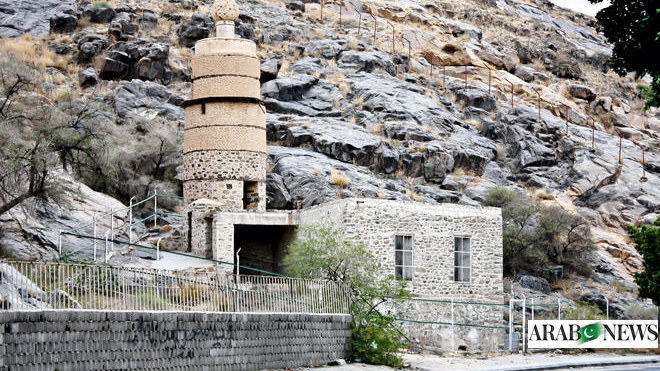
Built approximately 162 years ago during Ottoman rule. This mosque marks a stop on the Prophet's ﷺ return journey from Taif to Makkah after the rejection — where he and his adopted son Zayd ibn Harithah (RA) paused for rest. The mosque sits opposite the garden where they sought temporary refuge. Easy to include given its location near the city centre.
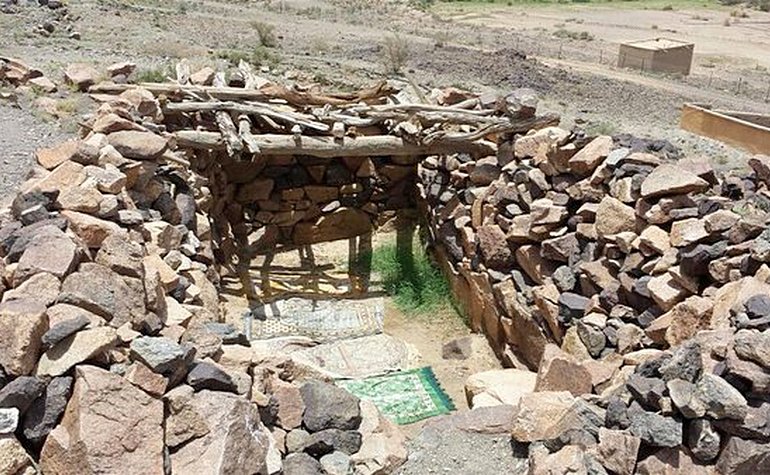
This takes you back to the Prophet's ﷺ childhood. Bani Saad Village is where Halima Sa'diyah (RA), his foster mother, lived and raised him during his early years. The ruins of her house lie in a quiet, mountainous valley. Partially preserved ancient structures sit peacefully among the hills — imagining the Prophet as a young child here creates a deeply different kind of spiritual connection.
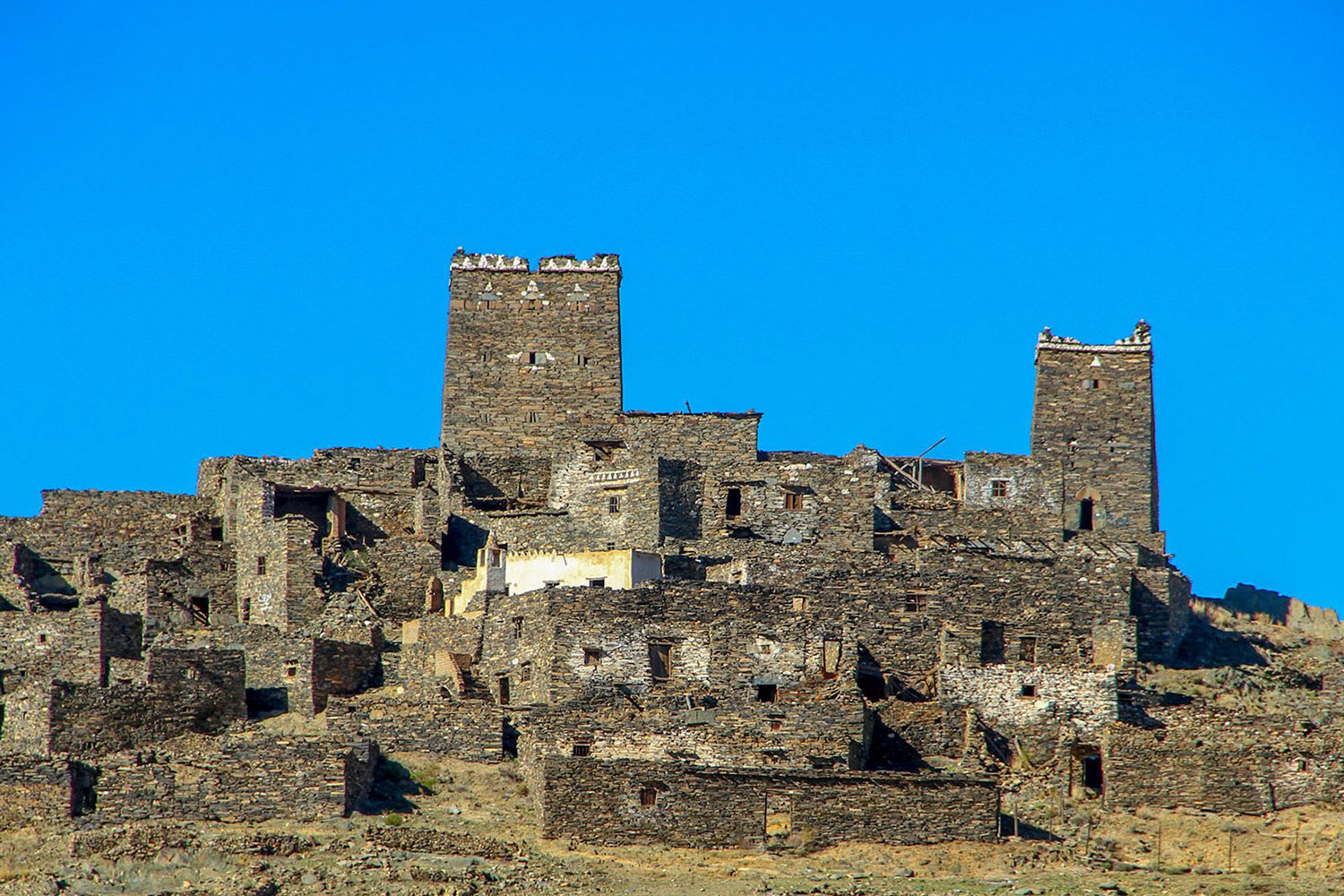
An entire ancient village from the early Islamic period — stone buildings, traditional Arab architecture, and two tall defensive forts. Al-Haris Ibn Kalada (RA), a famous companion and Arab physician, lived here. Explore the courtyard where festivals took place, the two main village paths, surrounding mountains, valleys, vineyards and peach orchards. Adds rich historical depth to understanding early Islamic life.

One of the oldest dams in Islamic history — built during Caliph Muawiya's (RA) reign for water storage and irrigation. It measures 30 metres long, 4 metres wide and 8.5 metres high. A stone inscription at the base mentions the builder's name, the date, and a prayer for the Caliph. Impressive 7th-century engineering with living historical significance.
Taif Ziyarah Pricing (GBP)
Private vehicle from Makkah — hotel pickup included. All prices are per vehicle, not per person.
Transport Pricing
Private vehicle, air-conditioned, professional driver, hotel pickup & return
| Service | Vehicle | Capacity | Price |
|---|---|---|---|
| Makkah–Taif Ziyarah (Half-day, 5–6 sites) | Car / Similar | 2–4 Pax | £150 |
| Makkah–Taif Ziyarah (Half-day, 5–6 sites) | H1 / Staria | 5–6 Pax | £175 |
| Makkah–Taif Ziyarah (Half-day, 5–6 sites) | Hiace Van | 8–9 Pax | £175 |
| Makkah–Taif Ziyarah (Half-day, 5–6 sites) | GMC Yukon | 4–5 Pax | £195 |
✅ What's Included
❌ What's Not Included
Sample Itineraries
🌅 Half-Day Tour (4 hours, 5 core sites)
Half-Day Taif Ziyarah
☀️ Full-Day Tour (6–7 hours, all major sites)
Full-Day Taif Ziyarah
Distance & Travel Times
Note: Al Hada road is winding mountain terrain — drive time is longer than straight-line distance suggests.